Fruits considered berries play a unique role in nutrition and cooking. Many people think of berries as small fruits like strawberries. Yet the botanical definition covers a wider group. This group includes items such as bananas and tomatoes.
- Choose ripe fruits considered berries for maximum flavor in daily meals.
- Pair these fruits with whole grains to create balanced breakfast options.
- Store them properly to keep nutrients intact for longer periods.
- Use them in smoothies for quick and easy nutrient boosts.
- Add them to salads to increase color and taste variety.
- Combine with lean proteins for satisfying lunch ideas.
- Freeze extras to have them ready for healthy snacks anytime.
What Defines Fruits Considered Berries
Botany classifies fruits by how they develop from flowers. A true berry forms from a single ovary. The entire fruit wall becomes fleshy. This process creates the edible portion people enjoy.
Home cooks benefit when they understand this definition. It helps them select ingredients with similar textures. Similar textures work well in many recipes. Recipes gain consistency and appeal.
Nutrition experts note that these fruits often contain high water content. High water content supports hydration in meals. It also aids digestion naturally. Health professionals suggest eating a variety daily.
Professionals in this field know that color indicates nutrient density. Darker fruits considered berries tend to offer more antioxidants. These compounds support overall wellness. Cooks can use this knowledge when shopping.
Popular Examples of Fruits Considered Berries
Bananas qualify as fruits considered berries. They grow in clusters and develop from one flower. Their soft texture makes them versatile. Cooks mash them into baked goods or slice them for cereals.
Tomatoes also fit the category. They develop from a single ovary and stay fleshy. Home cooks roast them for sauces or add them raw to dishes. This adds brightness to many meals.
Avocados count as well. Their creamy flesh comes from the same botanical process. Health-conscious eaters spread them on toast. They also blend them into dressings for extra richness.
Grapes represent another example. Small and juicy, they fit the criteria perfectly. Food enthusiasts freeze them for snacks. They also press them into fresh juices at home.
Nutrition Benefits for Daily Meals
Fruits considered berries supply vitamins and minerals. They deliver potassium and vitamin C in good amounts. These support immune function and muscle health. Nutrition.gov provides general guidance on fruit intake.
Health professionals suggest including them at every meal. They add natural sweetness without added sugar. This helps control calorie intake. Food enthusiasts appreciate the flavor boost they provide.

Research indicates these fruits aid in maintaining steady energy. Their fiber content slows digestion. Slower digestion prevents blood sugar spikes. Home cooks can plan recipes around this benefit.
World Health Organization guidelines encourage fruit consumption. Fruits considered berries fit easily into balanced plates. They work in both sweet and savory dishes. This flexibility suits varied cooking styles.
Recipes Using Fruits Considered Berries
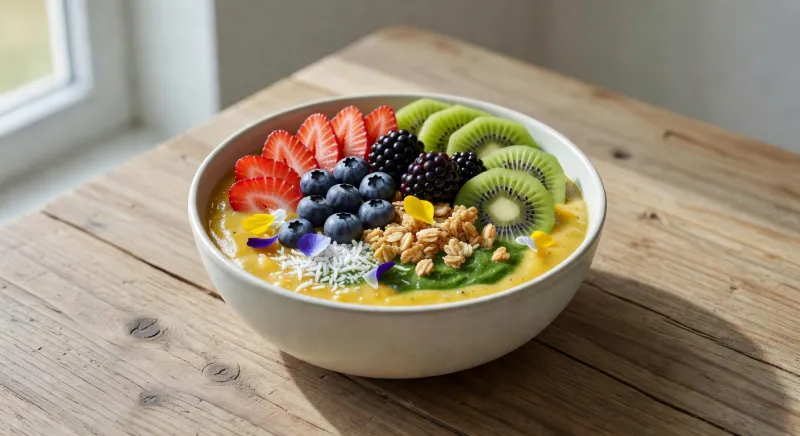
Simple smoothies start with bananas and berries. Blend them with yogurt for creaminess. Add spinach for extra nutrients. This creates a fast breakfast option.
Salads gain interest when tomatoes and avocados join greens. Drizzle with olive oil and herbs. The combination offers healthy fats and freshness. Lunch becomes more satisfying this way.
Baked goods improve with mashed bananas. They replace some oil or butter in muffins. Health-conscious eaters enjoy the moist result. Recipes stay lighter yet flavorful.
Snacks can feature frozen grapes. They provide a cool treat in warm weather. Portion control becomes easy with this method. Try these ideas for healthy snacks.
Storage and Selection Tips
Choose firm fruits considered berries at markets. Avoid soft spots that signal overripeness. Proper selection preserves quality longer. Cooks save money by reducing waste.
Refrigerate tomatoes only after full ripening. Bananas stay at room temperature until ready. Avocados ripen in paper bags. These steps maintain texture and taste.
Freezing works well for most varieties. Spread them on trays first to prevent clumping. Then transfer to containers. This method keeps them ready for recipes.
Health professionals suggest washing just before use. Excess moisture shortens shelf life. Dry storage extends freshness. Home cooks gain more cooking flexibility this way.
How They Support Healthy Lifestyles
Fruits considered berries fit many eating patterns. They suit vegetarian and gluten-free needs. Their natural properties align with wellness goals. Enthusiasts build varied meal plans around them.
Regular inclusion supports weight management efforts. Low calorie density allows larger portions. Satisfaction increases without excess energy intake. Explore more nutrition benefits.
Cooks experiment with international flavors. Tomatoes star in Mediterranean dishes. Bananas appear in tropical desserts. This variety prevents meal boredom.
Overall wellness improves with consistent use. Nutrients work together for better outcomes. Families enjoy colorful plates. Cooking becomes both nourishing and creative.
Frequently Asked Questions
What fruits are considered berries botanically?
Botanical classification includes bananas, tomatoes, and avocados as fruits considered berries. They develop from a single ovary with fleshy walls. This differs from common kitchen terms. Home cooks gain new options for recipes once they learn the list. The group offers diverse textures for cooking needs.
How do fruits considered berries help in nutrition?
These fruits provide fiber, vitamins, and minerals in balanced amounts. They support digestion and energy levels during daily activities. Health-conscious eaters use them to add natural sweetness. Meals become more complete without extra effort. Professionals in this field recommend them often.
Can I use fruits considered berries in baking recipes?
Yes, bananas and similar options work well in muffins and breads. They add moisture and reduce the need for added fats. Food enthusiasts test small batches first. Results stay tender and flavorful. This approach fits healthy cooking goals.
Where can I find reliable info on these fruits?
Trusted sources like government sites offer basic facts. These roles include guidance on portion sizes and storage. This field covers seasonal availability too. Positions in this industry provide recipe ideas. Readers apply the details directly at home.
Are all small fruits considered berries?
No, strawberries do not qualify under the strict definition. Only certain fruits meet the ovary development rule. Cooks still enjoy strawberries for taste and nutrients. These roles focus on accurate selection for best results. This field rewards informed choices in the kitchen.
Final Thoughts
Fruits considered berries expand cooking possibilities for health-conscious eaters. They bring nutrition and taste together in simple ways. Home cooks can start with one or two examples this week.
Experimentation leads to new favorite recipes. Consistent use supports long-term wellness goals. Check healthy recipes for more inspiration.
Small changes in ingredient choices create lasting benefits. These fruits fit easily into existing meal routines.