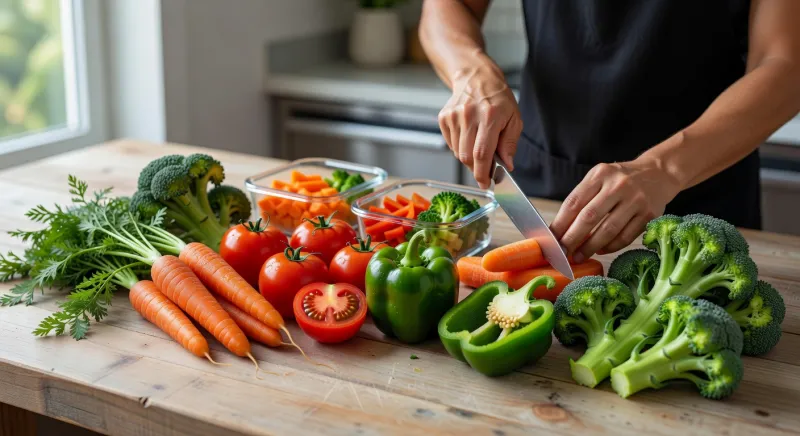
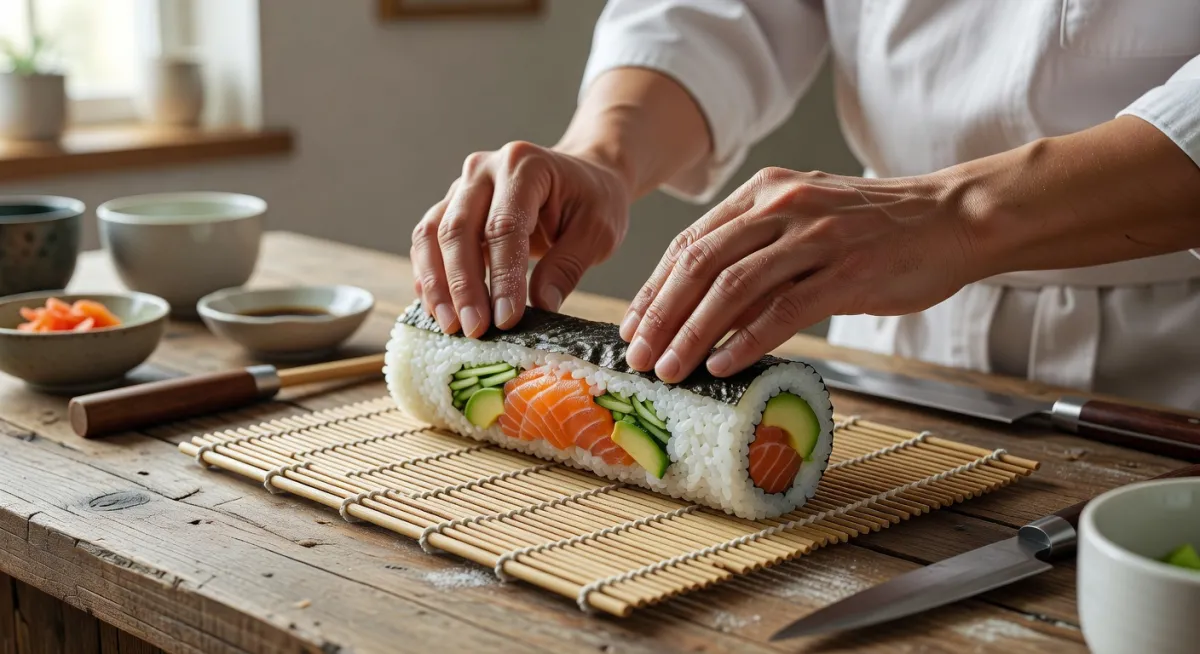
Home cooks and food enthusiasts often seek inspiration from the world's top 10 cuisines. These traditions offer rich flavors and support better nutrition choices. Health-conscious eaters can adapt many dishes for daily meals. The focus remains on balanced ingredients and simple techniques.
- Choose fresh vegetables and herbs from various cuisines to boost daily nutrition.
- Adapt traditional recipes with lean proteins for heart healthy cooking at home.
- Explore grains like rice and quinoa from global traditions for sustained energy.
- Incorporate spices that add flavor without extra salt or fats.
- Plan meals around seasonal produce to enhance taste and nutrient value.
- Balance portions with whole foods from Mediterranean and Asian styles.
- Experiment with fermented items for better digestion and gut health.
The world's top 10 cuisines provide endless ideas for healthy recipes. Professionals in this field know that these styles emphasize whole ingredients. Home cooks benefit from learning simple adaptations. Nutrition experts note the value of variety in daily eating habits.
Each cuisine brings unique benefits. Mediterranean approaches highlight olive oil and fish. Japanese traditions focus on fresh seafood and vegetables. Indian dishes often feature lentils and spices. Health professionals suggest trying these for balanced nutrition.
Food enthusiasts enjoy discovering new tastes. These cuisines support weight management through natural flavors. Many recipes use minimal processing. This approach aligns with guidelines from Nutrition.gov.
Health-conscious eaters can recreate these at home. Start with basic pantry items. Build skills through small changes. Results include more satisfying meals over time.
For a deeper understanding of this topic, Salt Fat Acid Heat offers practical guidance for food enthusiasts at any level.
Why These Cuisines Support Nutrition Goals
Many of the world's top 10 cuisines rely on plants and lean proteins. This pattern aids overall wellness. Research indicates benefits from colorful produce and herbs. Home cooks gain practical tools for better eating.
Spices play a key role in flavor without calories. Nutrition experts note reduced need for added sugars. Fermented foods appear often in several traditions. They promote digestive balance naturally.
Portion control comes naturally in these styles. Dishes pair grains with vegetables and proteins. This creates satisfying plates. Food enthusiasts appreciate the visual appeal too.
Adaptations keep meals accessible. Use local markets for key items. Professionals in this field know small swaps make big differences. Consistent practice builds lasting habits.
Exploring the First Five Cuisines
Mediterranean cuisine ranks high among the world's top 10 cuisines. It features olive oil, tomatoes, and fish. Home cooks can grill vegetables for simple dinners. Nutrition benefits include healthy fats for heart support.
Japanese cuisine emphasizes rice, seaweed, and raw fish. Sushi and miso soup offer light options. Health-conscious eaters enjoy the focus on freshness. Minimal cooking preserves nutrients well.

Indian cuisine uses lentils, turmeric, and yogurt. Curries provide plant-based protein. Recipes adapt easily with less oil. Food enthusiasts value the bold spices for taste.
Mexican traditions include beans, corn, and avocados. Tacos and salads deliver fiber and vitamins. Professionals recommend fresh salsas over heavy sauces. This keeps meals light and flavorful.
Thai cuisine blends lemongrass, chilies, and coconut milk. Stir fries with vegetables create quick lunches. Health experts suggest using tofu for variety. Balanced meals support daily energy needs.
Discovering the Next Five Cuisines
Greek cuisine shares traits with Mediterranean styles. It highlights olives, feta, and herbs. Home cooks prepare grilled meats with salads. Nutrition improves through abundant produce intake.
Vietnamese dishes feature rice noodles and herbs. Pho and spring rolls use broths. These options stay low in fat. Food enthusiasts like the fresh herb profiles.
Moroccan cuisine incorporates couscous and tagines. Spices like cumin add depth. Lean meats and vegetables form the base. Health professionals suggest these for diverse flavors.
Korean traditions include kimchi and grilled items. Rice and soups complete meals. Fermented elements aid digestion. Adapt recipes with less sodium for better balance.
Italian cuisine offers pasta and tomato sauces. Use whole grains and fresh basil. Professionals in this field know portion awareness helps. Olive oil brings healthy fats naturally.
Practical Tips for Home Adaptation
Start by stocking essential spices from these cuisines. Home cooks find this step simple and effective. Focus on one new dish per week. Results build confidence quickly.
Pair ingredients thoughtfully for nutrition. Combine proteins with vegetables in each plate. Health-conscious eaters track progress easily this way. Simple swaps reduce processed items.
Experiment with cooking methods like steaming. These preserve vitamins better than frying. Food enthusiasts enjoy the brighter tastes. Consistent use supports long term goals.
Consult resources for accurate information. World Health Organization offers general guidance on balanced diets. Adapt advice to personal needs. This creates sustainable routines.
Common Challenges and Solutions
Some ingredients may seem hard to find. Home cooks can use local substitutes effectively. Nutrition stays similar with careful choices. Quality produce makes the difference.
Time constraints affect meal prep. Batch cooking helps on busy days. Recipes from the world's top 10 cuisines often simplify well. Leftovers reheat nicely for lunches.
Flavor adjustments suit family preferences. Reduce spice levels for beginners. Health professionals suggest gradual introductions. Everyone enjoys meals more this way.
Budget concerns arise with specialty items. Focus on versatile staples first. Lentils and grains stretch meals affordably. This approach keeps nutrition high.
Final Thoughts
The world's top 10 cuisines offer valuable lessons for healthy recipes. Home cooks and food enthusiasts can integrate these ideas daily. Nutrition improves through thoughtful selections and simple preparations.
Begin with one or two favorites to build skills. Explore further through healthy recipes on the site. Consistent effort leads to better eating habits and enjoyment.
Health-conscious eaters benefit from this global perspective. Small changes create meaningful results over time.
Frequently Asked Questions
How can I adapt the world's top 10 cuisines for healthy home cooking?
Focus on fresh ingredients and reduce added oils. Use herbs and spices for flavor. Home cooks often start with familiar dishes. This builds skills without overwhelm. Nutrition improves steadily with practice.
What makes the world's top 10 cuisines suitable for health-conscious eaters?
These styles emphasize plants, lean proteins, and whole grains. They limit processed items naturally. Food enthusiasts appreciate the variety. Balanced plates support energy and wellness goals. Simple modifications keep meals satisfying.
Which cuisine from the list works best for quick weeknight meals?
Thai and Vietnamese options often come together fast. Stir fries and broths require little time. Health professionals suggest prepping vegetables ahead. These choices deliver nutrition without complexity. Families enjoy the bright tastes.
How do these cuisines help with balanced nutrition overall?
They provide diverse vitamins from vegetables and proteins. Spices add benefits without calories. Professionals in this field know variety prevents boredom. Meals stay interesting and nourishing. Regular inclusion supports better habits.
Can beginners easily try recipes inspired by the world's top 10 cuisines?
Yes, many dishes use common pantry items. Start with basic techniques like grilling or simmering. Food enthusiasts gain confidence through repetition. Resources guide safe adaptations. Results include enjoyable and nutritious meals.